Women and Girls in Science: from vision to impact
On the 2026 International Day of Women and Girls in Science, La Fondation Dassault Systèmes highlights three women scientists driving change in STEM, from vision to impact.
On February 11, the International Day of Women and Girls in Science invites us to highlight concrete actions that are already helping to close the gender gap in Science, Technology, Engineering and Mathematics. While women still represent less than one third of the world’s researchers, they also account for under 30% of the global STEM workforce, reflecting persistent barriers that extend well beyond academia. This imbalance matters not only in terms of fairness, but also for the quality, relevance and impact of scientific and technological progress.
La Fondation Dassault Systèmes is committed to fostering access to scientific education and innovation, especially supporting girls and women whose talents and perspectives are essential to the future of STEM. On this occasion, we give voice to women scientists and educators who are translating vision into impact, sharing their journeys and the practices they are implementing to build more inclusive STEM ecosystems.
Céline Fontanet
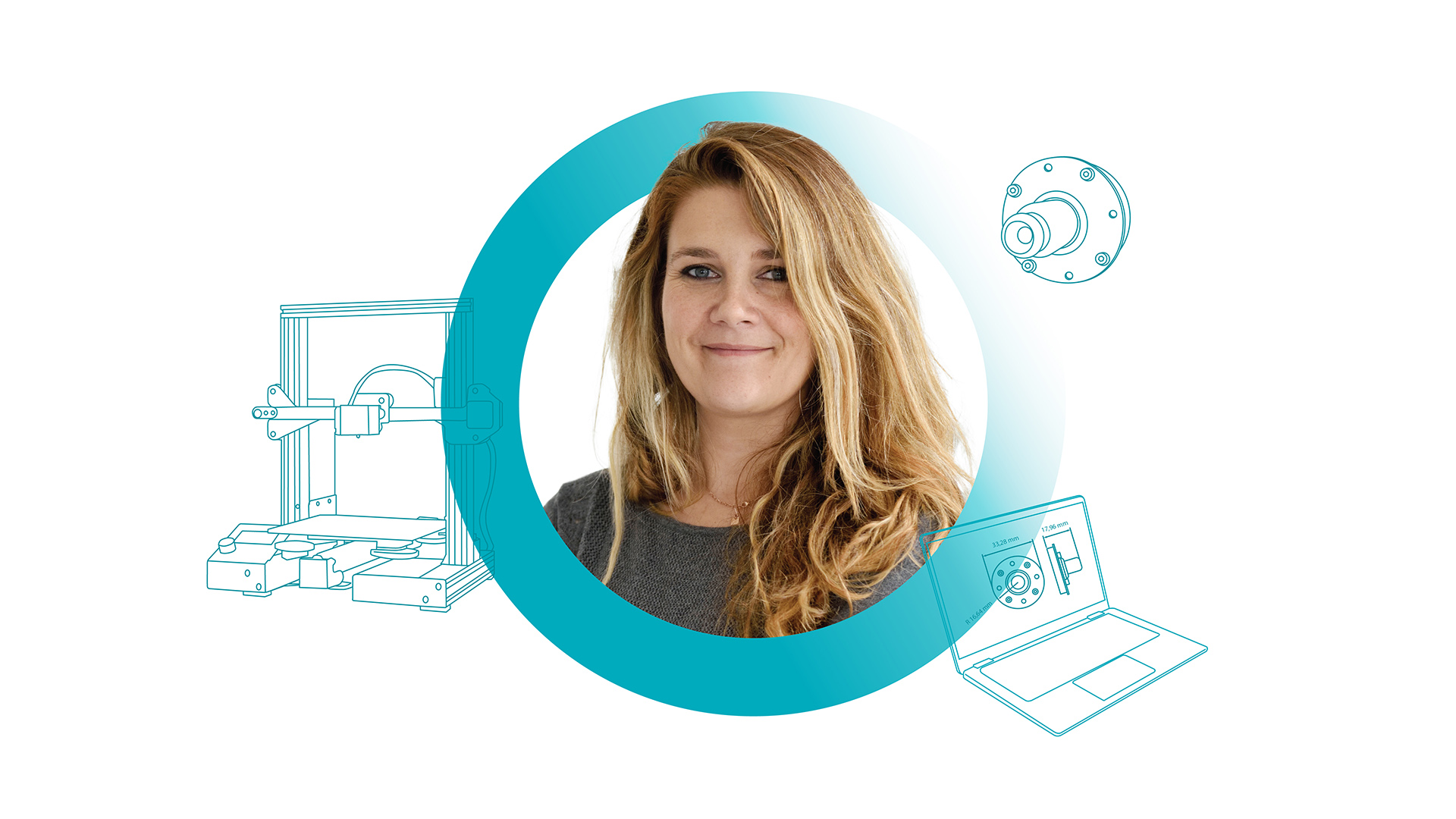
Céline Fontanet quickly learned that determination can defy expectations. “In ninth grade, I was told I would never get my baccalaureate,” she recalls, "and was guided toward a vocational path". Because she was “good with her hands,” she chose to enroll for a CAP (professional aptitude certificate) in machining, an orientation that, far from limiting her, became the foundation of a remarkable journey. At that stage, becoming an engineer was not an ambition, nor even a possibility. “No one in my family was an engineer. I didn’t even know what that really meant,” she says. Step by step, supported by teachers who believed in her potential, she went on to earn her Bac technologique (technological Baccalaureate), BTS (Senior Technician Certificate), and eventually got into École Nationale des Arts et Métiers, one of France’s top engineering schools recognized for leading in the fields of mechanics and industrialization, completing her degree through an apprenticeship program, a novelty at the time. “For me, being an engineer was most of all a way to make sure I would be financially independent. My ultimate dream was being able to afford having help at home”.
Today, Céline Fontanet is a teacher, heading the Industrial Mechanical Design curriculum and creativity at IMT Mines d’Alès, a French engineering school, where she also leads the FabLab and oversees continuous improvement initiatives for the school’s management. She brings more than two decades of industrial innovation experience into her teaching, having held leadership roles at major groups, such as AREVA and Safran Aircraft Engines, in sectors as diverse as automotive, aerospace and energy. There, she led innovation efforts, created FabLabs, launched and managed creativity programs at scale. Whether testing prototypes, challenging established solutions, or managing large innovation communities, her focus has always remained firmly human-centric.“What has always interested me is creativity and innovation at the service of people,” she explains.
Having spent nearly nine years studying in environments where girls were a clear minority, Céline Fontanet is acutely aware of the cultural barriers that persist in technical fields. “At the time, we were about 10% young women in my engineering school,” she notes. In her Industrial Mechanical Design course, she makes a point explaining why she teaches. Sharing her own journey is a deliberate choice, a way to convey values as much as knowledge. “I truly believe that the best practice is sharing,” she says. Through her experience, she emphasizes respect across the board : respecting all levels of hierarchy, skills, women in technical fields, and always putting people first. A message she addresses to both young women and young men. “If boys don’t respect the training, skills and legitimacy of girls, we won’t succeed,” she insists. Changing mindsets and closing the gender gap, she believes, requires educating everyone together, moving beyond outdated ideas of so called “men’s jobs” and “women’s jobs”.” Seeing women in technical roles matters, but seeing men acknowledge their legitimacy matters just as much. For Céline Fontanet, speaking about scientific and technical careers must involve both female and male voices, addressing girls and boys alike, to build a truly shared and lasting culture of equality based on respect and competence.
At IMT Mines d’Alès, this vision is translated into concrete actions. Céline Fontanet has been closely involved in initiatives designed to make women more visible and confident in scientific and technical careers. One flagship example is La Galerie des Audacieuses, an itinerant exhibition showcasing portraits of women engineers, researchers and doctoral candidates from the school. “It’s about saying to young girls: you belong here, and you should never limit your ambitions,” she explains. Her advice to young girls reflects her own path: “With work and determination, everything is possible. Just because someone sends you down one path doesn’t mean you can’t go further. Stay open to encounters and opportunities, and above all, never give up.” The school also runs Exception’Elles, a program dedicated to encouraging women engineering students to explore entrepreneurship. In her own courses, Céline Fontanet goes further, forming project teams based on cognitive and psychological profiles to allow for multi-disciplinarity.
This commitment to inclusive STEM ecosystems also extends beyond France. Céline Fontanet actively contributes to Toutes Innovantes! a project led by the association Toutes à l’école, founded to provide high quality education to girls from disadvantaged backgrounds in Cambodia. With the support of La Fondation Dassault Systèmes, the project aims to modernize educational infrastructure through the opening of a new FabLab on the Happy Chandara campus in Cambodia and the integration of digital technology into teaching to prepare young girls for the careers of tomorrow.
Acting as an advisor, Céline Fontanet helped define the project’s scope and identify the machines and equipment for the FabLab. She is also providing guidance to the 3 students overseeing the implementation of the FabLab on site. With this project, 3D technologies become a central tool to modernize science and engineering education, encourage scientific vocations among girls, and provide mentoring, training and access to international opportunities. It's a way to give shape to ideas and to make learning concrete and empowering.
Dr. Shraddha Habbu
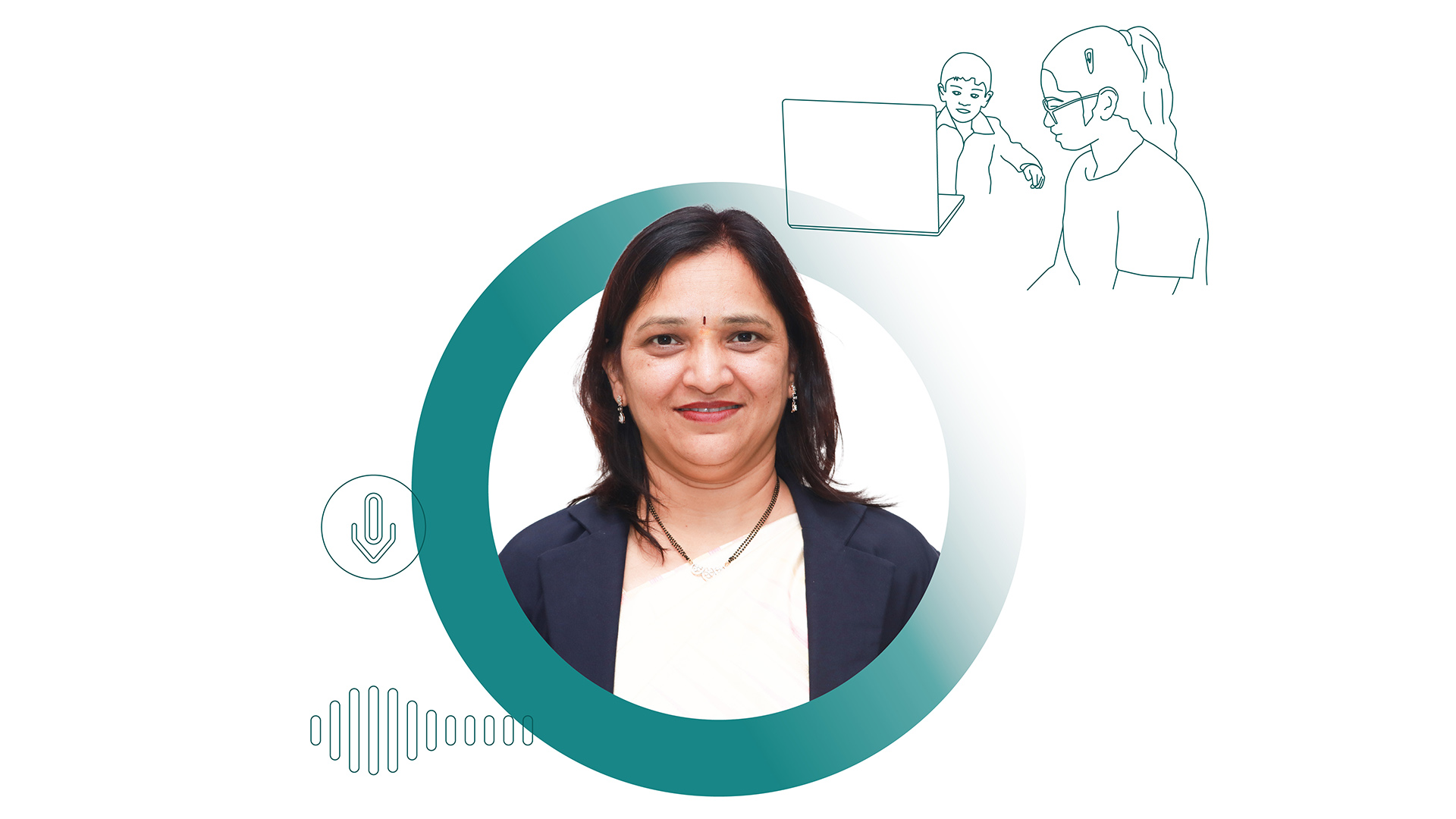
From the beginning of her journey, Dr. Shraddha Habbu has been guided by a simple yet powerful question: how can technology make a meaningful difference in people’s lives? Today an assistant professor and researcher at Vishwakarma Institute of Information Technology (VIIT) in India, she leads the Technology Research Center in Healthcare and Life Sciences, working at the intersection of engineering, medicine, and social impact.
As a woman in science and technology, Dr. Habbu has witnessed real progress, alongside persistent imbalances. While access to STEM education has improved, women remain underrepresented in leadership, decision-making and research-focused roles. “The gender gap is not just about numbers,” she explains. “It is about equal access, encouragement, mentorship and continuous support. In India, there is no shortage of talented women in STEM,” she observes, “but expectations, career breaks, limited guidance and lack of flexible workplace policies often push women out of the workforce after graduation.” As a teacher and department leader, seeing many talented young women excel in engineering at VIIT fuels her optimism and her commitment to creating an inclusive teaching environment where opportunities are based on merit and potential.
Dr. Habbu’s own trajectory into STEM was shaped by both curiosity and pragmatism. Initially drawn to medicine, she chose engineering for practical reasons, seeking a path to secure a job quickly and support her family financially. With the help of inspiring mentors, she discovered a passion for electronics, and later, for biomedical and healthcare technologies, a natural meeting point between engineering and her early interest in medicine. “Leading research in healthcare and life sciences feels like coming full circle,” she reflects. “It allows me to use technology to make a meaningful difference in people’s lives.”
This commitment manifests in the research project she is leading with the support of La Fondation Dassault Systèmes, focused on the automatic detection of speech fluency disorders in children. Using advanced machine learning techniques, the project aims to enable earlier detection and to support speech therapists and medical practitioners, particularly in India’s rural and underserved communities, where access to specialists is limited. “Machine learning helps us analyze complex biological and medical data, allowing patterns and insights to emerge that are difficult to detect manually,” Dr. Habbu explains.
“My role is to ensure that what we develop is scientifically sound, ethically responsible and practically useful,” she says. By bringing together interdisciplinary teams, with students working alongside data scientists and healthcare experts, she turns innovation into a collective effort with tangible social impact.
Looking back, she does not feel her journey was hindered by being a woman, but rather shaped by thoughtful choices made at different stages of life, navigated with the support of family and colleagues. In her daily interactions with students at VIIT, Dr. Habbu sees a clear generational shift. Young women today, she notes, are increasingly confident, ambitious and intentional in building long-term careers in STEM. “They show strong focus, clarity and a willingness to work hard,” she says. At the same time, evolving family structures and aspirations are encouraging them to explore diverse and sometimes unconventional career paths that offer both professional growth and stability – such as core engineering roles in electronics, semiconductors, AI/ML, or robotics, research and innovation, startups and entrepreneurship, industry R&D or interdisciplinary areas like healthcare technology, data science, or biomedical engineering. She believes this change in mindset will translate into stronger representation and recognition of women in science and technology, provided institutions continue to foster inclusive cultures and flexible work policies.
This belief is reflected in concrete actions at VIIT, where initiatives such as the Women Empowerment Cell offer mentoring, skills training, and targeted career opportunities for female students. These efforts, combined with industry partnerships that actively encourage women applicants, demonstrate how inclusive ecosystems can help close the gap between education and workforce participation, an especially pressing issue in India, where talent is abundant in STEM education but retention after graduation remains a challenge.
“I strongly believe that encouragement at the right stage makes a big difference,” she says. “When students are supported early, they begin to see that science is not intimidating, but creative and impactful.” As an educator, she is particularly attentive to the confidence gap that can discourage young women from pursuing STEM careers. “Family support, good role models and career guidance really help girls build confidence and make informed choices,” she explains. Conscious of her own visibility, she embraces her responsibility as a role model. “Through teaching, mentoring and simply sharing my journey, I try to show students that with dedication and the right support, they can succeed in any field.”
Dr. Traci Wolbrink
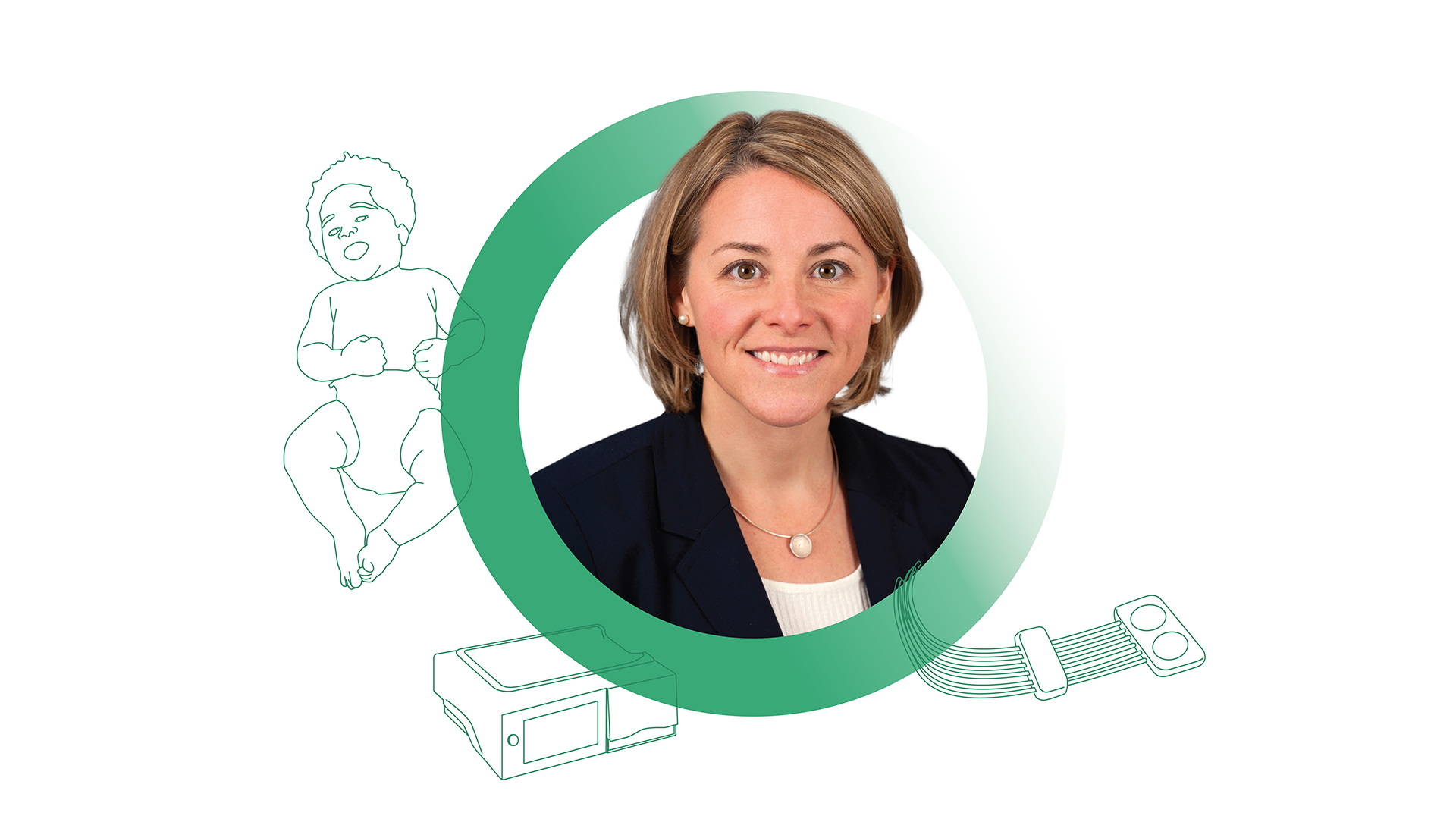
From an early age, Dr. Traci Wolbrink was drawn to science and to understanding how the human body works. Growing up in Michigan, in a family where no one had previously attended college, a career in medicine did not initially seem within reach. “I probably always wanted to be a doctor,” she recalls, “but I honestly didn’t think it was achievable.” Without female role models in medicine, it was her teachers, women passionate about science and math, who first inspired her. For a time, she imagined herself becoming a teacher as well, before discovering medicine more closely as a student athletic trainer in high school. That experience proved decisive. From her first days on a pre-medical track to Harvard Medical School, she found her calling, embracing a field that combined science and humanity. “I simply fell in love with medicine,” she explains.
Today, Dr. Wolbrink is a pediatric critical care physician, as well as an educator and researcher at Boston Children's Hospital and Harvard Medical School. She often describes her career as “the best of all worlds. Working with my patients, families, trainees and colleagues has been most fulfilling and I cannot imagine another career. And I love that I not only get to be a doctor but I also get to be a teacher”. Caring for critically ill children allows her to work at the heart of physiology, teamwork and recovery, while her academic role enables her to teach and mentor the next generation. Pediatrics, she says, was a natural choice: “You never question the effort you put into a child. Most of them get better, and many go on to live full, healthy lives.”
Reflecting on her journey as a woman in medicine, Dr. Wolbrink acknowledges progress alongside persistent, often subtle, barriers. She recalls moments of everyday bias, being mistaken for a nurse despite her doctor’s coat as well as the expectations women face as they advance into leadership. “There can be a smaller window,” she notes, “where being collaborative is seen as not decisive enough, and being decisive as not collaborative.” These pressures, combined with structural challenges around time, care giving and access to opportunities, help explain why women remain underrepresented in senior research and leadership roles, even in fields like pediatrics where women are the majority. “We often wait to apply until we feel absolutely ready,” she adds, “and sometimes that hesitation becomes a barrier.”
Closing the gender gap in STEM, she believes, is not only a matter of fairness, but a prerequisite for better science. “If we all think the same way, we’ll get the same solutions,” she says. Diverse perspectives, shaped by gender, background and experiences, fuel creativity, relevance and disruptive innovation. It starts with strong pipeline programs that provide early exposure to science and healthcare careers. She points to initiatives led by her colleague Dr. Izabela Leahy, who has developed opportunities for middle school students, particularly girls from underserved backgrounds, to discover healthcare professions through interactive learning, including hands-on CPR and First Aid training. Mentorship and early exposure have therefore become central to Dr. Wolbrink’s work. She is deeply involved in formal and informal initiatives aimed at opening pathways into STEM and medicine. From visiting vocational schools to mentoring pre-medical students, she sees representation as a powerful catalyst. “Girls need to see people who look like them doing work that feels exciting and meaningful,” she says. And to the next generation of girls considering science, her message is both simple and powerful: “Don’t sell yourself short. Put yourself out there. Even if you fail, it’s okay. Try again. We all have a responsibility to help make the path a little easier for those who come next.”
Equally important, she emphasizes, is ensuring that internships and research positions are accessible and paid. “Unpaid opportunities close the door for many talented students,” she explains. At the institutional level, Dr. Wolbrink also highlights the importance of equitable parental leave and return-to-work support, alongside systemic practices such as blind review processes and tracking of gender equity metrics. Together, these concrete measures create more inclusive STEM ecosystems.
This commitment to equity and knowledge-sharing is embodied in OPENPediatrics, a non-profit, interactive digital learning platform Dr. Wolbrink helped to found in 2008 and today co-directs. Created during her fellowship at Boston Children’s Hospital, OPENPediatrics was born from a simple yet transformative idea: to share medical knowledge freely, across borders and resource levels. Free and accessible to clinicians, patients and families, the global platform connects healthcare professionals around the world, enabling them to learn from one another and apply context-appropriate solutions. From low-cost respiratory innovations to advances in online learning, OPENPediatrics leverages digital technologies to scale expertise, improve pediatric care, and save lives. With the support of the Dassault Systèmes US Foundation, Dr. Wolbrink led a team of experts from Boston Children's Hospital in developing Learn Peritoneal Dialysis, an online and interactive program to help families learn how to deliver safe peritoneal dialysis treatment to their child at home.